Transform Your Kitchen: Master Woodsmith Craftsmanship
Transforming your kitchen can be an exciting journey, especially when you incorporate the timeless beauty and functionality of wood. Woodsmith craftsmanship offers a unique blend of artistry and practicality, allowing you to create a space that is not only aesthetically pleasing but also highly functional. In this blog post, we will explore how you can master woodsmith craftsmanship to elevate your kitchen, providing you with practical tips, inspiring ideas, and specific examples to guide you along the way.
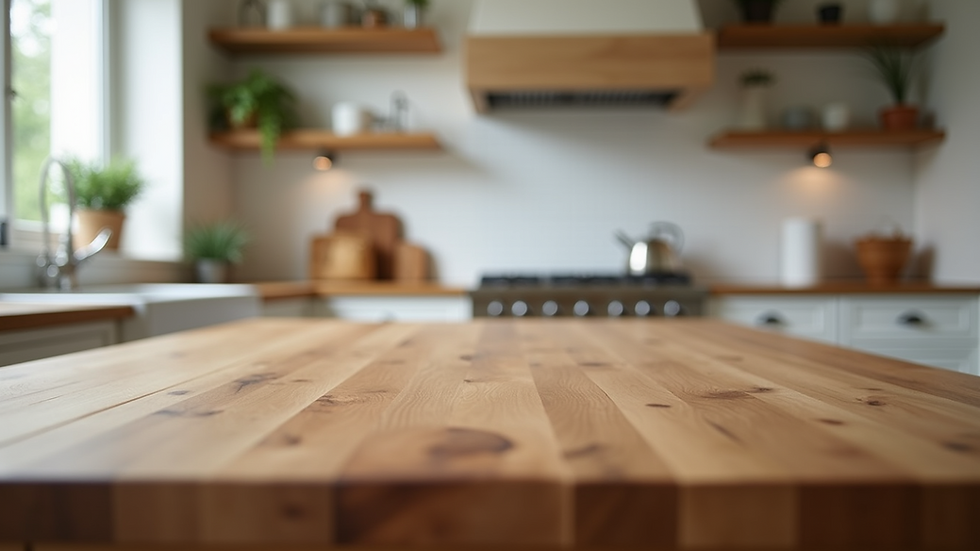
Understanding Woodsmith Craftsmanship
Woodsmith craftsmanship is the art of working with wood to create functional and beautiful pieces. This craft has been around for centuries and continues to thrive today due to its versatility and the warmth it brings to any space. In the kitchen, wood can be used for various elements, including cabinets, countertops, and furniture.
The Benefits of Wood in the Kitchen
Using wood in your kitchen design offers several advantages:
Aesthetic Appeal: Wood adds warmth and character to your kitchen, making it feel inviting and cozy.
Durability: Quality wood can withstand the rigors of daily use, making it a long-lasting choice for kitchen elements.
Versatility: Wood can be stained, painted, or left natural, allowing you to customize it to fit your style.
Sustainability: When sourced responsibly, wood is an eco-friendly material that can contribute to a sustainable home.
Key Elements of Woodsmith Craftsmanship
To master woodsmith craftsmanship in your kitchen, focus on the following key elements:
1. Selecting the Right Wood
Choosing the right type of wood is crucial for both aesthetics and functionality. Here are some popular options:
Maple: Known for its durability and fine grain, maple is a great choice for cabinets and countertops.
Cherry: This wood darkens beautifully over time, adding richness to your kitchen.
Oak: A classic choice, oak is strong and has a prominent grain, making it ideal for rustic designs.
Walnut: With its deep color and unique patterns, walnut can add a touch of luxury to your kitchen.
2. Mastering Joinery Techniques
Joinery is the technique of connecting pieces of wood together. Mastering various joinery methods can enhance the strength and appearance of your kitchen projects. Some common techniques include:
Dovetail Joints: Often used in drawer construction, dovetail joints are both strong and visually appealing.
Mortise and Tenon: This traditional method is ideal for creating sturdy frames for cabinets and tables.
Box Joints: These joints are easy to create and provide a decorative touch to boxes and drawers.
3. Finishing Techniques
The finish you choose can significantly impact the look and durability of your wood projects. Consider these finishing options:
Stains: Stains enhance the natural beauty of wood while adding color. Test different shades to find the perfect match for your kitchen.
Varnish: A clear varnish can protect your wood from moisture and wear while maintaining its natural appearance.
Oil Finishes: Oils penetrate the wood, providing a natural look and feel. They require regular maintenance but can enhance the wood's character.
Practical Tips for Transforming Your Kitchen
Now that you understand the fundamentals of woodsmith craftsmanship, here are some practical tips to help you transform your kitchen:
1. Create Custom Cabinets
Custom cabinets can maximize your kitchen's storage and functionality. Consider incorporating unique features such as:
Pull-out shelves: These make accessing items in deep cabinets easier.
Built-in spice racks: Keep your spices organized and within reach.
Open shelving: Display your favorite dishes or cookbooks while adding visual interest.
2. Design a Stunning Kitchen Island
A kitchen island can serve as a focal point and provide additional workspace. When designing your island, think about:
Size and shape: Ensure it fits comfortably within your kitchen layout.
Materials: Combine different wood types or finishes for a unique look.
Functionality: Incorporate features like seating, storage, or a built-in cooktop.
3. Incorporate Wood Accents
If a complete overhaul isn't feasible, consider adding wood accents to your kitchen. Some ideas include:
Wooden countertops: A butcher block countertop can add warmth and functionality.
Trim and molding: Adding wood trim around windows or doors can enhance the overall design.
Decorative elements: Use wooden cutting boards, utensils, or decorative bowls to bring in natural textures.
Inspiring Examples of Woodsmith Craftsmanship in Kitchens
To spark your creativity, here are some inspiring examples of woodsmith craftsmanship in kitchen designs:
Example 1: Rustic Farmhouse Kitchen
This kitchen features reclaimed barn wood cabinets and a large farmhouse sink. The combination of natural wood tones and white accents creates a warm, inviting atmosphere. The open shelving displays rustic dishware, adding to the charm.
Example 2: Modern Minimalist Kitchen
In this sleek kitchen, a walnut island stands out against white cabinetry. The clean lines and simple design highlight the beauty of the wood while maintaining a modern aesthetic. The use of hidden storage keeps the space clutter-free.
Example 3: Traditional Elegance
This kitchen showcases classic cherry cabinets with intricate detailing. The rich color and polished finish exude elegance, while the large island provides ample workspace. The combination of wood and stone creates a timeless look.
Tools and Materials for Woodsmith Craftsmanship
To get started on your woodsmith projects, you'll need some essential tools and materials:
Essential Tools
Table saw: For making precise cuts.
Router: To create decorative edges and joints.
Drill: For making holes and driving screws.
Sander: To smooth surfaces and prepare for finishing.
Materials
Quality wood: Choose the type of wood that fits your project and style.
Wood glue: Essential for strong joints.
Finishing products: Select stains, varnishes, or oils based on your desired look.
Learning Resources for Woodsmith Craftsmanship
If you're eager to improve your skills, consider exploring the following resources:
Books: Look for woodworking books that cover techniques, projects, and design principles.
Online Courses: Websites like Skillshare and Udemy offer courses on woodworking and craftsmanship.
Local Workshops: Check community centers or woodworking shops for hands-on classes.
Final Thoughts
Transforming your kitchen with woodsmith craftsmanship can create a space that is both beautiful and functional. By selecting the right materials, mastering joinery techniques, and incorporating unique design elements, you can elevate your kitchen to new heights. Whether you choose to undertake a complete renovation or simply add wooden accents, the warmth and character of wood will undoubtedly enhance your home.
As you embark on your woodworking journey, remember to embrace creativity and enjoy the process. Your kitchen is a reflection of your style and personality, and with woodsmith craftsmanship, you can create a space that truly feels like home. Start planning your next project today, and watch your kitchen transform into a masterpiece of craftsmanship.


Comments